A solar customer does not experience a project as a neat line from quote to rooftop. They experience a series of handoffs: a salesperson, a designer, a permitting office, an installer, an inspector, a utility, and finally an app that is supposed to prove everything is working.
That gap between the simple promise and the complicated reality is where trust is either built or quietly spent. A thank-you culture will not fix a vague contract or a missed inspection. It can, however, signal that the company understands what the customer is carrying: money, uncertainty, access to the home, and a long wait for the system to become useful.

Contents
Thank the customer before asking for the signature
The first thank-you should arrive before the sale. A household that requests a quote has shared more than an email address: it may have provided utility bills, roof details, financing information, and time for a conversation that could easily become a high-pressure pitch.
That makes the first message an important test. Instead of “just checking in,” send a short note that names what happened and what comes next: “Thank you for giving us the chance to review your home. We will send the proposal by Thursday, including the assumptions behind the production estimate.” It is specific, useful, and does not pretend the customer has already chosen you.
A physical card can work too, but it should not be decorative camouflage for an unclear offer. If a team wants to create a consistent piece, a thank you card design can help it produce a simple, branded message without turning appreciation into an expensive campaign.
The distinction matters because the U.S. Department of Energy’s advice on choosing a solar installer puts credentials, transparency, roof condition, pricing, and communication at the center of the decision. A thank-you message should reinforce those standards, not distract from them.
The quote is a thank-you opportunity disguised as paperwork
Customers rarely need another glossy page full of projected savings. They need to know which parts are measured, which are estimated, and which depend on a utility policy that may change. A quote that explains its assumptions is one of the most respectful things an installer can send.
Thank the customer for asking the difficult questions, then answer them in the proposal:
- What roof information was used, and what still needs an on-site check?
- What system size and first-year production are being estimated?
- Which costs cover equipment, labor, permitting, and interconnection?
- Who handles the utility application and permission to operate?
- Which warranties cover equipment, workmanship, roof penetrations, and service?
The 2025 Solar Energy Industries Association residential guide makes the same underlying point from a consumer-protection angle: estimates are not guarantees, contracts should state key terms, and customers should understand who stands behind each warranty. Appreciation becomes credible when the quote makes those facts easier to see.
My view is that this is where many companies overuse the word “thank you.” A discount, gift, or cheerful email cannot compensate for a proposal that hides the financing structure. The most valuable gesture is often a plain-language paragraph beside the price that says, “Here is what could make this number change.”
During the waiting period, thank people for their patience with information
The customer may imagine that the roof work is the main event. In practice, the quiet middle can be longer and more frustrating. The DOE notes that a physical photovoltaic installation can take only a few days, while permits and inspections may take weeks to months depending on local requirements.
That is not a minor scheduling detail. It changes the emotional shape of the purchase. The customer has agreed to a major home project, but there may be no visible progress for weeks. Silence invites the customer to fill in the blanks with worst-case explanations.
A thank-you culture gives the waiting period a rhythm:
- After contract signing: thank the customer for choosing the team and provide the next three milestones, not a vague promise to be in touch.
- After permit submission: explain what has been submitted, who is reviewing it, and what the company is waiting for.
- When a delay appears: thank the customer for their patience, state the cause without blaming a nameless third party, and give the next update date.
- Before installation: confirm arrival timing, crew access, pets, parking, attic or electrical-panel access, and the condition in which the site will be left.
This is not just a communications preference. A National Renewable Energy Laboratory analysis of 131,000 residential projects installed from 2017 through 2021 found that typical projects took 70 to 100 business days from contract signing to system operation, with observed timelines ranging from about one month to nine or ten months. When the process can stretch that far, a customer should never have to wonder whether the project still exists.
Installation day: appreciation has to become visible
Installation day is the moment the company’s internal process enters someone else’s home. The crew is not only mounting equipment; it is moving across a property, making roof penetrations, working around existing electrical systems, and leaving behind an asset the homeowner may live with for decades.
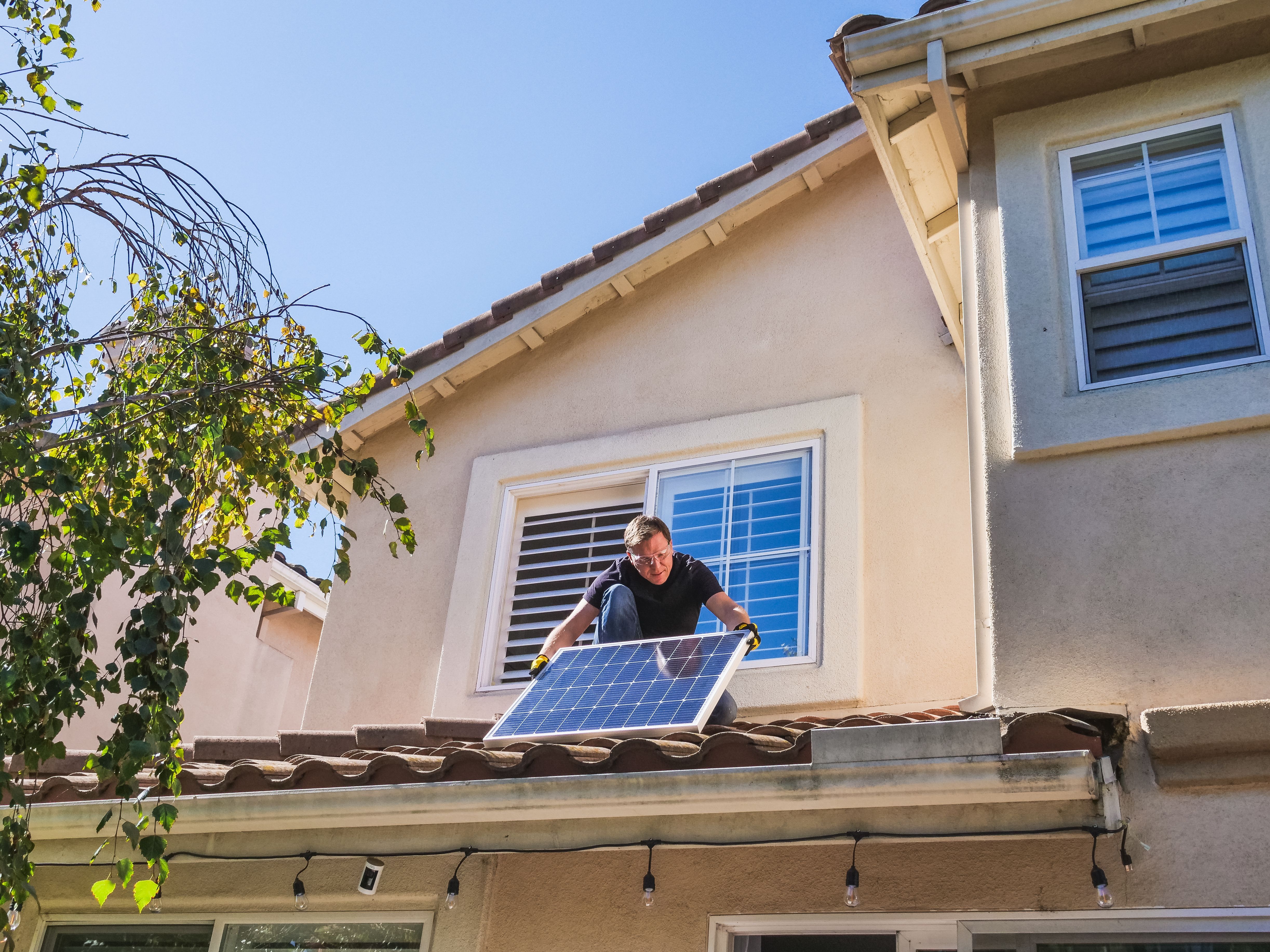
A thank-you culture at this stage is operational rather than sentimental. The crew can introduce itself, identify the project lead, explain any change from the approved design, protect the driveway and landscaping, and provide a brief end-of-day update. A small card left on the kitchen counter is pleasant; a clean work area and an honest explanation are better.
The customer should also hear “thank you for showing us” when an issue is found. A roof concern, an electrical constraint, or a design mismatch is not an inconvenience the homeowner caused. Treating the customer as a partner makes it more likely that they will share the information needed to solve it safely.
Inspection is not the end: thank the customer for staying engaged
After panels are on the roof, many customers expect the project to be finished. It may still require a local inspection, final paperwork, utility review, and permission to operate. NREL describes these post-installation steps as part of the path to safe interconnection, not as optional administration.
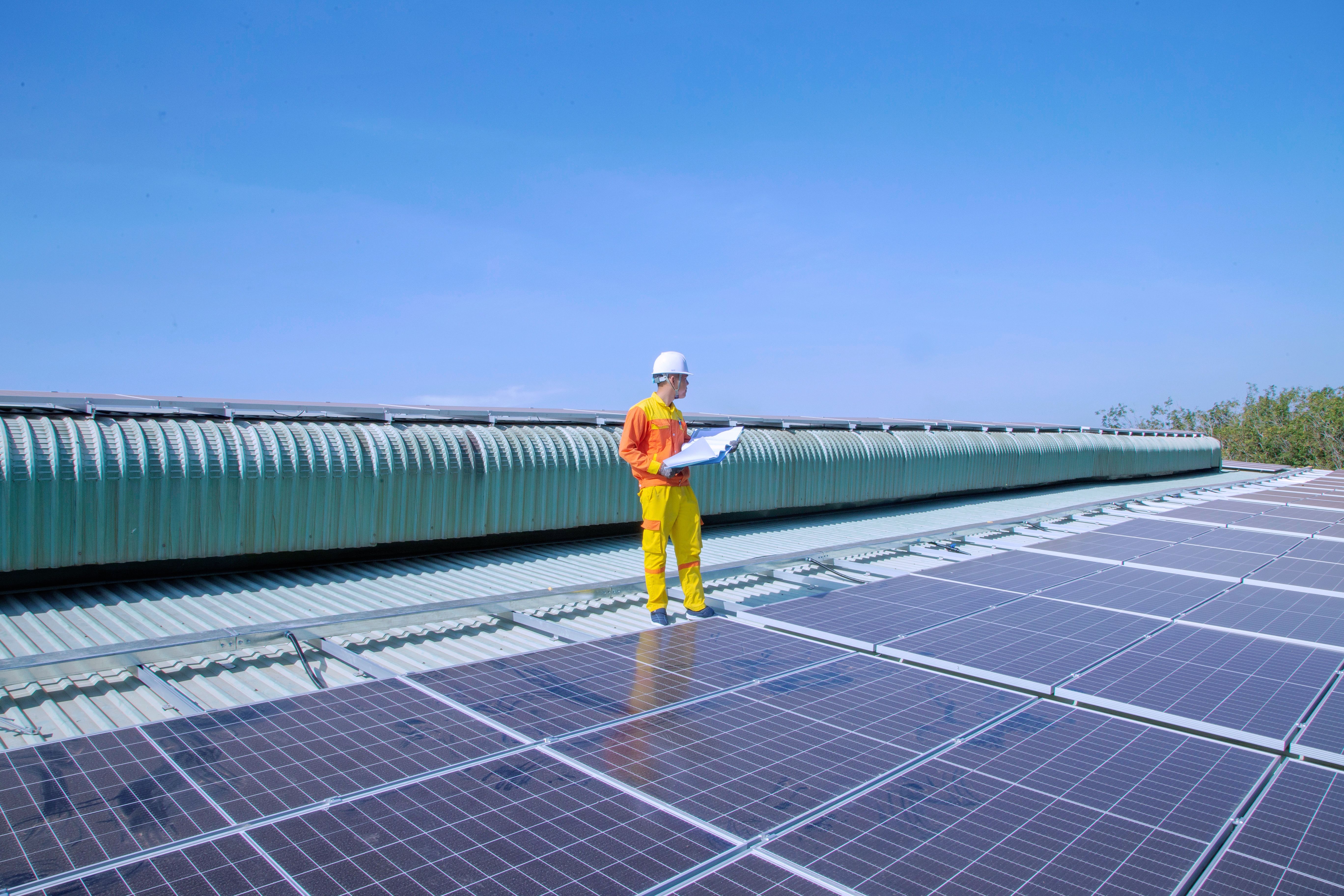
This is an ideal point for a precise thank-you: “Thank you for making the home available for inspection. The system passed the local check; we are now waiting for the utility’s permission to operate. We will update you by Friday.” The message acknowledges the customer’s role without claiming that the project is complete too early.
Teams can make this repeatable with a handoff sheet containing the system design, equipment list, monitoring instructions, warranty contacts, maintenance expectations, and the name of the person who owns the next question. The final contact should not be a generic inbox if the company can avoid it.
What if the customer does not want the extra warmth?
The strongest objection is reasonable: some customers do not want cards, gifts, or a chatty brand voice. They want the work done correctly, the price honored, and the system turned on. An installer that forces cheerfulness into every interaction can make a serious purchase feel staged.
I agree with that objection. A thank-you culture should not mean emotional performance. It should mean recognizing effort and making the next step easier. The customer can decline a gift; they cannot easily decline uncertainty, a missed call, or an unexplained delay.
That is why the culture needs levels. Use a concise email for a customer who prefers efficiency. Offer a card as an optional, human touch. Reserve personal calls for decisions, changes, and delays. In every version, keep the same standard: appreciation must be attached to information or service.
The completed system deserves a beginning, not a goodbye
Permission to operate is a milestone, not the end of the relationship. The customer now has to understand monitoring, production variation, warranty boundaries, and what to do if the app reports a fault. A final “congratulations” without those instructions turns a happy moment into a support problem.

A strong close includes a short orientation: when the system should appear in the monitoring portal, what normal production looks like in broad terms, when the first utility bill may reflect the change, and whom to contact if something seems wrong. Follow up after the customer has had time to use the system, not only when the review request is ready.
That follow-up can ask one useful question: “What part of the process was harder to understand than it should have been?” The answer is more valuable than a generic satisfaction score because it reveals where the next customer needs a better explanation.
A thank-you culture is a design decision
The best solar companies do not need to make every interaction celebratory. They need to decide where customers give something that is easy to overlook: attention during the quote, patience during permitting, access during installation, and confidence during the handoff.
Then they should acknowledge that contribution in the same channel where the work happens. Thank the customer with a clearer quote. Thank them during the wait with a real status update. Thank them on installation day by protecting their home. Thank them at inspection by explaining what remains. Thank them after activation by staying available.
The result is not merely a warmer brand. It is a journey with fewer blank spaces. In residential solar, that may be the most convincing form of appreciation a company can offer: making the customer feel that their trust was noticed, and that it was handled carefully.